
3D Rendering for Events: What It Is, How It Works and Why UAE Businesses Need It
3D Rendering for Events: What It Is, How It Works and Why UAE Businesses Need It
Before an event space rises inside a hall or an exhibition centre, it lives first in the imagination of the people designing it. Long before the build team arrives and long before a structure is fabricated, there is a period of quiet thinking, the stage where ideas are shaped, challenged and sketched into existence. This is the part of the process most audiences never see, yet it is where the success of a project is often decided.
In the UAE, where exhibitions, conferences and brand experiences are produced at remarkable speed, 3D design has become one of the most essential tools in the planning of any professional event. Not because it is visually impressive, but because it allows everyone involved – the client, the designers and the production team, to see the space before it exists.
A typical project begins with a question: What should this environment achieve? The designers interpret that question through layout studies, mood explorations, hand sketches and early models. They examine how people will move, where attention should focus, how lighting will behave, and what story the space must convey. These early trials are not perfect. They are meant to be broken, revised and rebuilt. And they often are – sometimes ten or fifteen times – until the structure feels balanced, functional and aligned with the brand. Once an idea stabilises, it moves from paper to screen. This is where the discipline intensifies. 3D visualisers reconstruct every detail: the stage, the truss, the backdrop texture, the flooring material, the lighting angles, the furniture arrangement and the exact placement of brand elements. They simulate the environment from the perspective of a visitor, a CEO on stage, or a guest entering the space for the first time. What emerges is not simply a drawing, but a digital space that allows everyone to experience the event months before it is installed. This stage of rendering is where technology protects clients from risk. It eliminates guesswork. It prevents costly missteps. It allows organisers to approve, amend or rethink a concept at a time when changes are still easy, still affordable and still conceptual. A 3D render presents what the final setup will look like from every angle, reducing the margin of error during fabrication to almost zero.
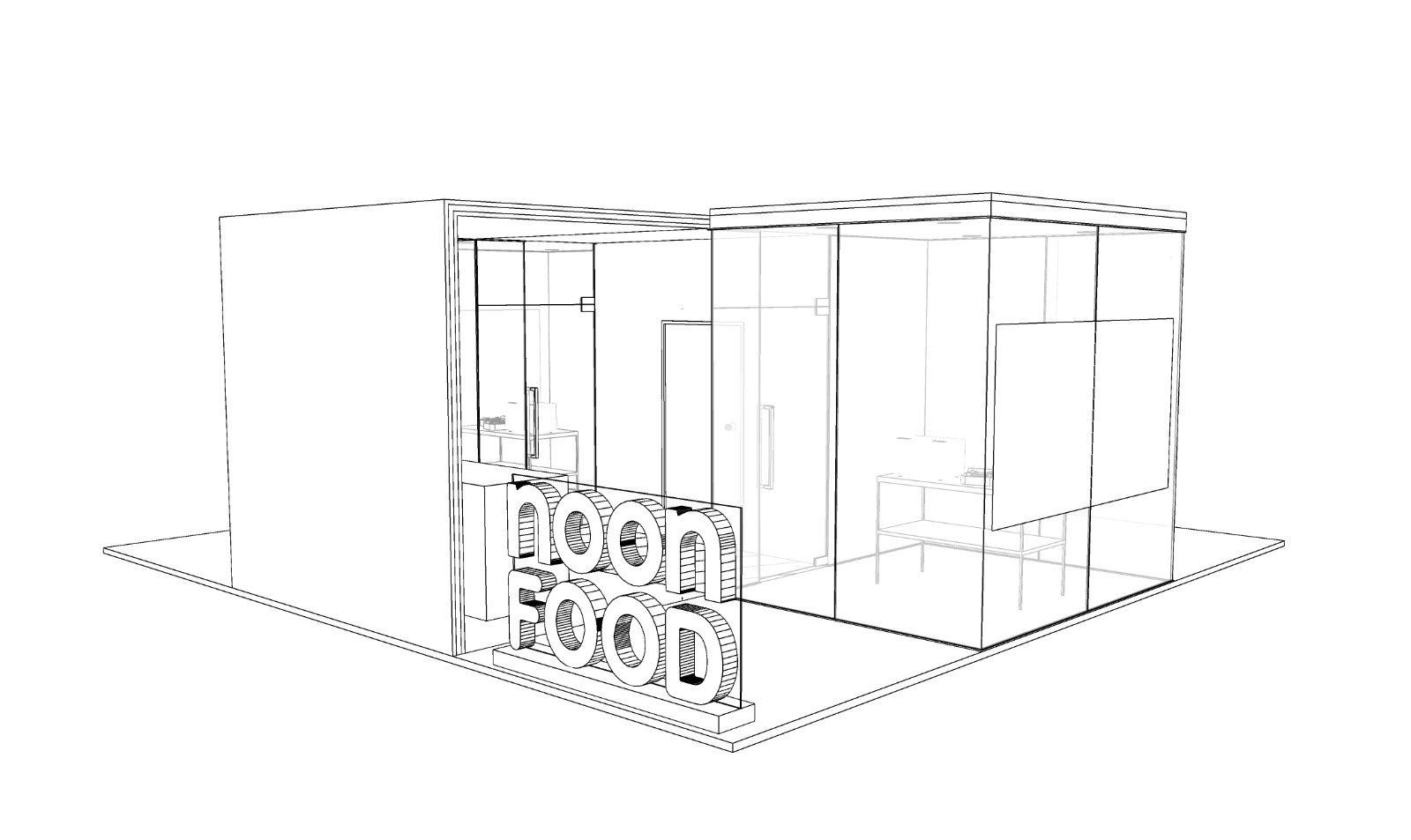
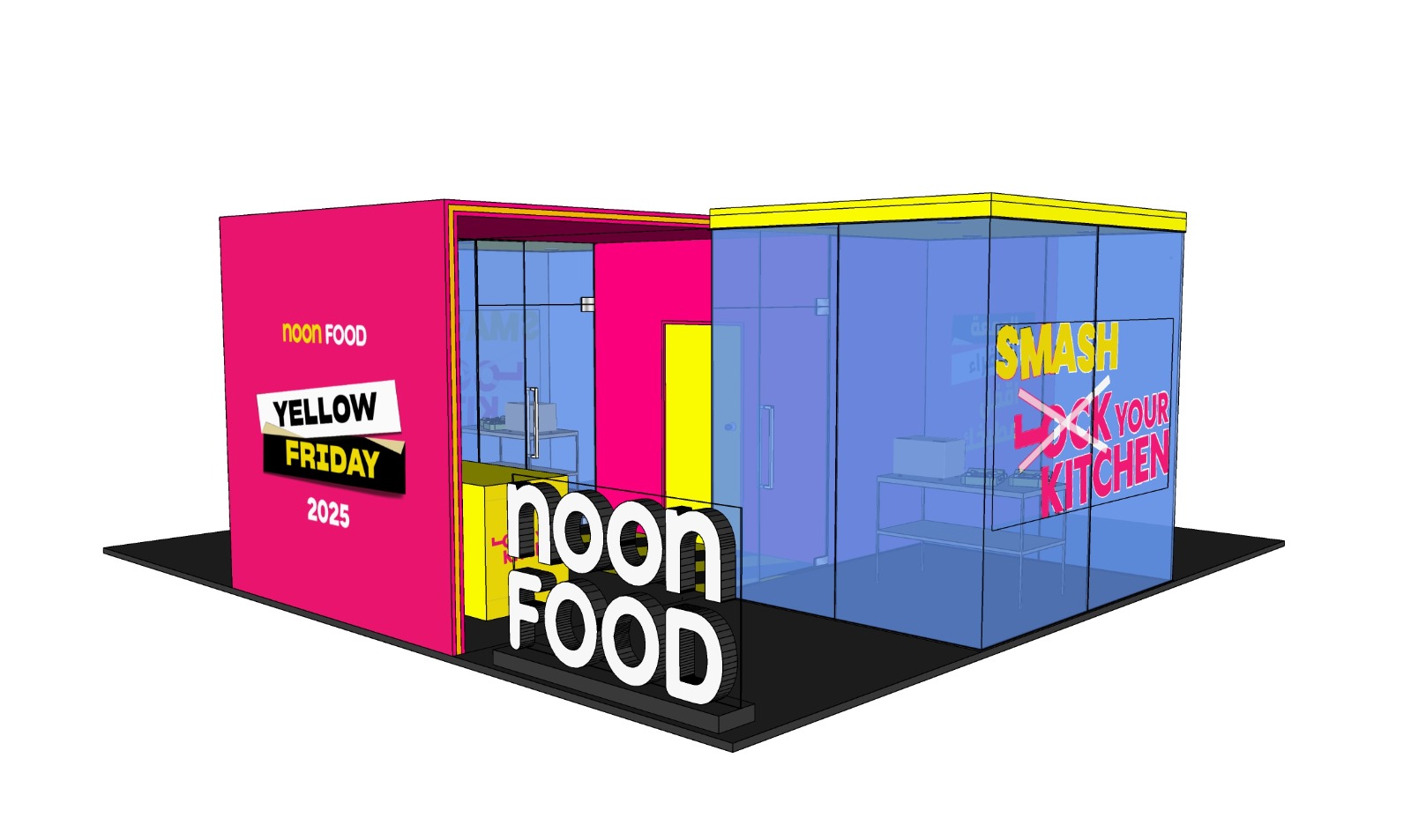
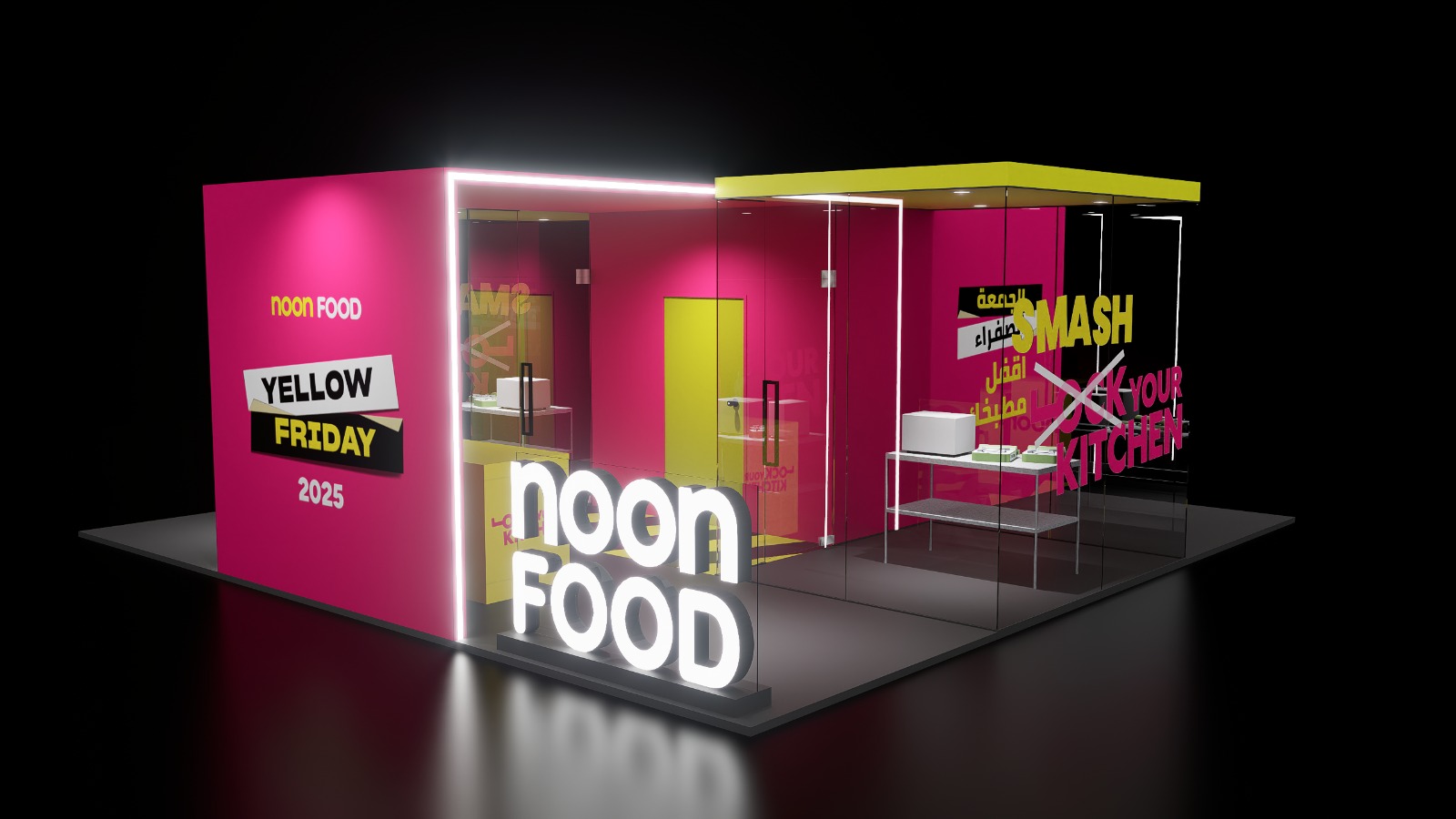
For event planners and businesses across the UAE, this has transformed the process of decision-making. Instead of relying on verbal descriptions or two-dimensional sketches, the event comes to life on screen with clarity – the colours, the proportions, the lighting behaviour, the branding presence and even the visitor experience. It is the closest one can get to standing inside a space that has not yet been built. By the time the structure finally rises at a venue – whether it is a gala dinner, a corporate conference or an exhibition stand at Big 5 Global – the client has already walked through it, studied it and approved it in 3D form. The build becomes not an experiment, but the final step in a sequence of thoughtful choices. 3D design is more than a drawing tool. It is a form of foresight – a way to imagine a space before committing to its construction. It empowers clients with clarity and gives designers the freedom to explore without risk. And in a country where innovation and speed drive the events industry, it has become one of the most valuable stages of the entire creative process.
Contact Pangea Events
For AV solutions, live translation systems or complete event production, contact: